
Industrial tape may look simple, but choosing the right type can make a meaningful difference in how a production, packaging, or finishing task goes. Some tapes help create clean paint lines. Others reinforce packages, shield surfaces, or serve a specialized purpose on a manufacturing line.
Understanding the job a tape is meant to do is a useful first step. Here’s an overview of four broad categories: masking tape, filament tape, surface protection tape, and application-specific industrial tapes.
What Makes a Tape "Industrial"?
Industrial tapes are used in work settings where the tape needs to support a specific process, material, or handling requirement. The right choice depends on factors such as the surface, the environment, how long the tape will stay in place, and how it will be removed.
Product names alone don’t tell the whole story. Tapes within the same category can differ in backing, adhesive, and performance. Always check the product information for the specific tape you plan to use, and test it on the intended surface when appropriate.
Masking Tape: Defining Areas for Painting and Finishing
Masking tape is commonly used to cover or define areas during painting, coating, finishing, and other processes where a boundary matters. It can help separate one area from another and keep selected surfaces free from paint, overspray, or residue during a task.
Typical applications include:
Masking edges before painting or coating
Covering components during finishing work
Marking or temporarily identifying areas during a process
Masking needs can vary. A tape that works for one surface or process may not be suitable for another. Consider the material being masked, the length of time the tape will remain in place, and the removal requirements before selecting a product.

Filament Tape: Reinforcing and Securing Packages
Filament tape is reinforced with strong fibers and is often used when packaging needs added reinforcement or secure bundling. Depending on the product and application, it may help hold cartons closed, bundle items together, or provide support during handling and transport.
Common uses include:
Reinforcing seams on cartons
Bundling products or materials
Securing items for storage or shipment
The required level of reinforcement depends on package design, weight, handling conditions, and other factors. For critical packaging needs, evaluate the complete packaging system rather than relying on tape alone.
Surface Protection Tape: Helping Guard Finishes During Work
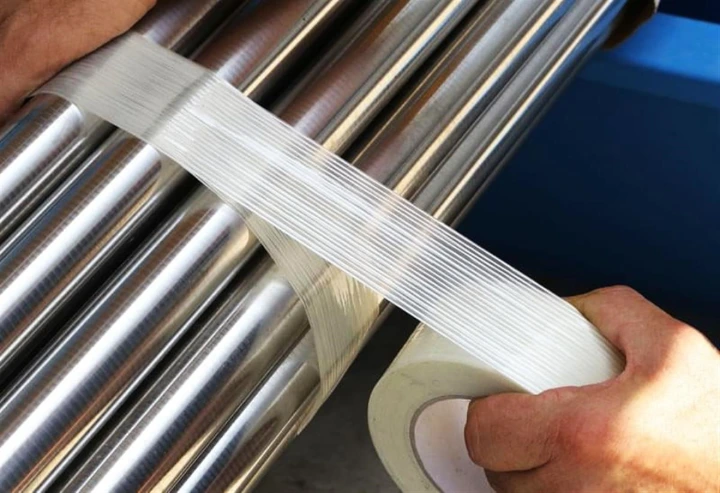
Surface protection tape is used to help shield selected surfaces from scratches, dust, dirt, or other contact during manufacturing, assembly, storage, or transport. It can be useful when maintaining the appearance of a finished surface is part of the process.
Applications may include temporary protection for panels, components, or other finished materials while they are being handled or moved. The right tape depends on the surface and how it will be used. Adhesion that is too strong, a long dwell time, or environmental conditions can affect removal and may leave residue or damage some finishes.
Before applying surface protection tape to a production part, check the manufacturer’s guidance and test it on a representative area.
Application-Specific Industrial Tapes: Built Around the Process
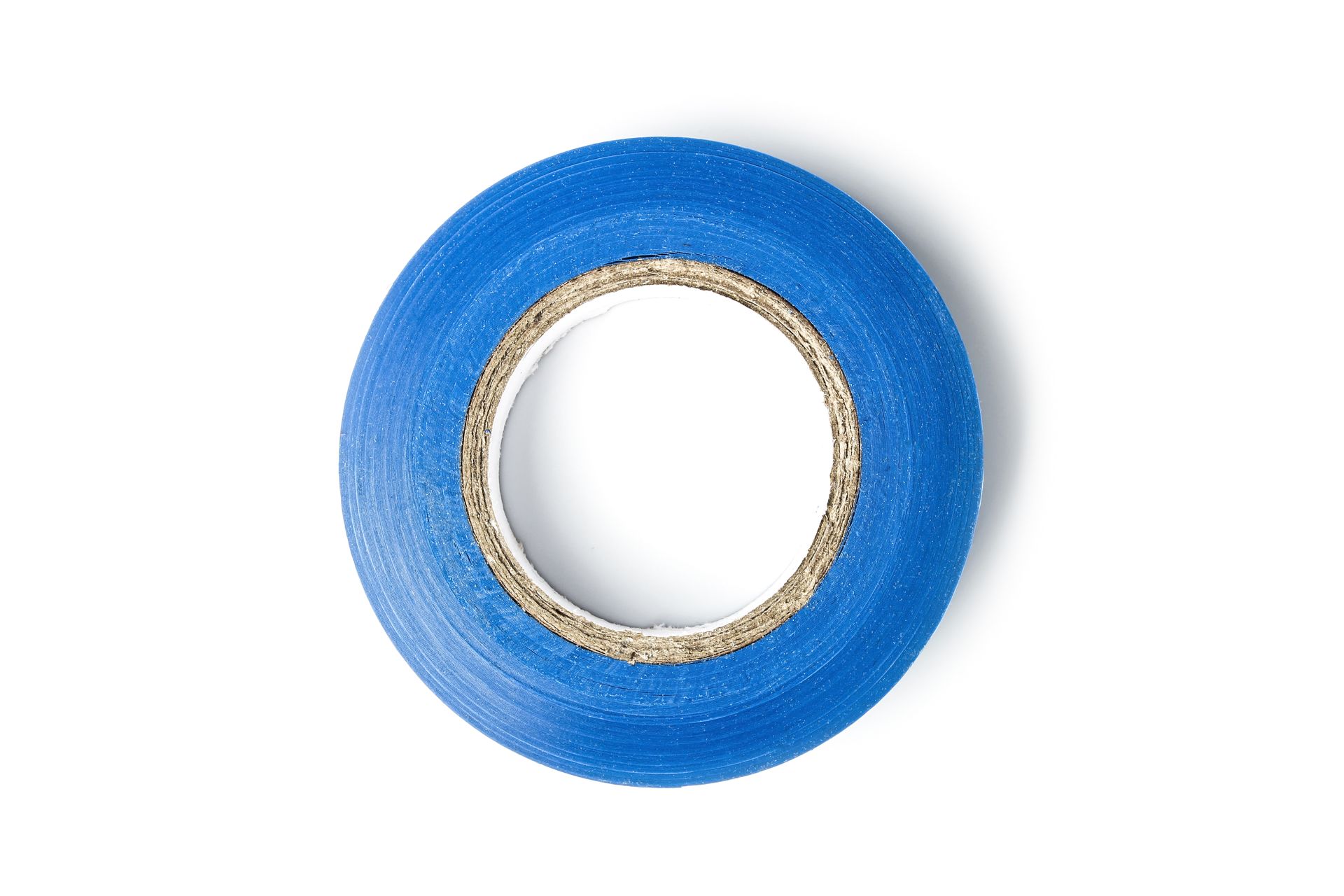
Some industrial tapes are selected for a particular task or operating condition rather than a broad category of use. A production line, assembly step, or maintenance job may call for a tape suited to a particular substrate, exposure, or process requirement.
Examples of application-specific needs can include:
Holding or positioning materials during assembly
Sealing or joining materials in a production process
Insulating or identifying components where the tape is designed for that purpose
Supporting a specialized packaging or finishing operation
These examples describe common types of needs, not guaranteed capabilities. Confirm that a product is intended for the conditions in your application. For technical or safety-critical uses, consult the tape manufacturer’s documentation and your organization’s process requirements.

How to Choose the Right Industrial Tape
Before selecting a tape, consider a few practical questions:
What is the task? Masking, reinforcing, protecting, bundling, and joining call for different tape properties.
What surface or material will it contact? Surface texture and material can affect adhesion and removal.
How long will the tape stay in place? Temporary use and extended application may require different products.
What conditions will it face? Temperature, moisture, movement, and exposure to process materials may matter.
What does the product documentation say? Check the manufacturer’s technical information for intended uses, limitations, and application guidance.
Matching tape to the task can help support consistent work and reduce avoidable rework. When requirements are unclear, a supplier with product and application knowledge can help narrow the options.
Find a Tape That Fits Your Application
From masking and packaging to surface protection and specialized production needs, industrial tapes support a wide range of everyday operations. The best choice starts with understanding the job, the materials involved, and the conditions the tape will encounter.
Explore Brexia's website
to learn more about its packaging and adhesive solutions for manufacturing, or get in touch to discuss what your application requires.